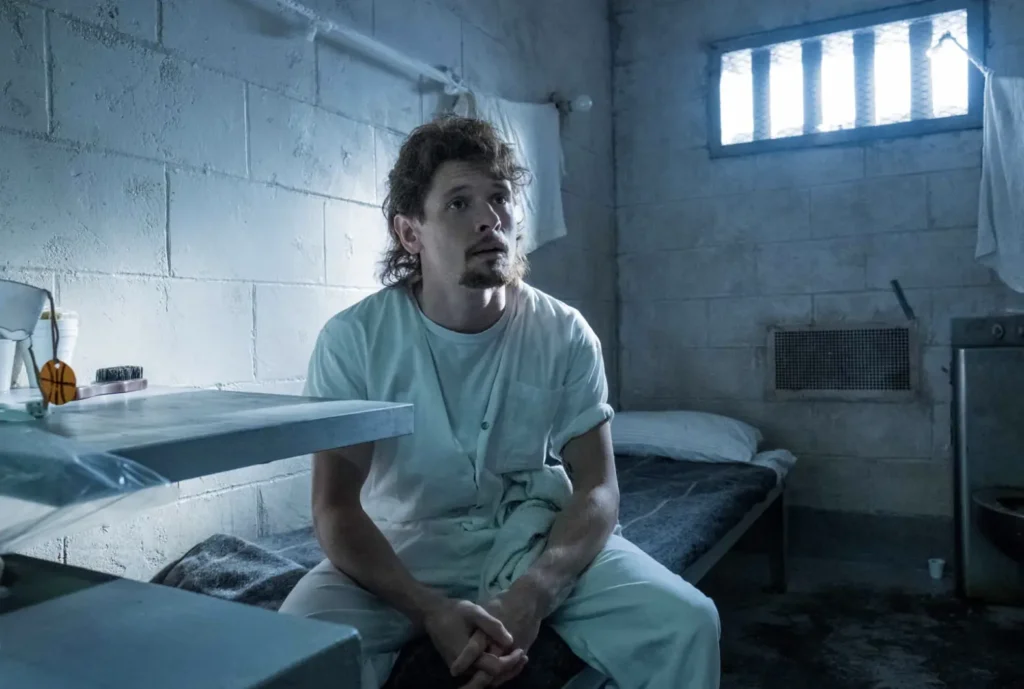
A shocking new Netflix documentary, Trial by Fire, is gripping audiences with its harrowing account of a wrongful conviction and a relentless fight for justice. For many viewers, it feels like a distant tragedy. But what if we told you this isn’t just a Hollywood story or a rare exception? That the same misconduct—prosecutors deliberately withholding evidence that could prove a person’s innocence—happens right here in our own community?
It happened in Collin County. A man named Timothy James Taylor was convicted in 2013 of Continuous Sexual Assault of a Child and sentenced to life in prison without the possibility of parole. I tried that case to a jury. For eight long years, Mr. Taylor sat in a Texas prison cell, his life effectively over. Then, an appellate review uncovered the truth: the Collin County District Attorney’s Office had withheld crucial evidence.
What was that evidence? It was a disclosure from the alleged child victim herself that she had lied about the allegations. The prosecution knew this during the 2013 trial and chose to hide it from the defense and the jury. This is not a mistake; it is a profound violation of the law and of justice itself.
The appeals court overturned the conviction due to this prosecutorial misconduct. Timothy James Taylor was released from prison, receiving time served for a life sentence he never should have faced. He lost eight years of his life. This case is a stark, local reminder that wrongful convictions are not abstract—they are real, they are devastating, and they happen here.
The Brady Rule: A Promise Too Often Broken
The law is unequivocal. Under the Brady v. Maryland ruling, prosecutors have a constitutional duty to turn over any evidence that is favorable to the accused, including evidence that could impeach the credibility of a witness. This is not a courtesy; it is a mandatory requirement to ensure a fair trial.
Withholding this evidence, known as a “Brady violation,” is prosecutorial misconduct. In cases like Mr. Taylor’s, where the entire case hinged on the word of a single witness, evidence that the witness confessed to lying is the very definition of “exculpatory.” Hiding it corrupts the entire process and can lead to an innocent person spending decades behind bars.
Why Does This Happen? The Pressure to Win
The drive to secure convictions at any cost can create a culture where the ends justify the means. Some prosecutors view their role not as ministers of justice, but as adversaries tasked with winning. In high-stakes, emotionally charged cases like child sex assault, the pressure to get a conviction can be immense. This environment can lead to cutting corners, ignoring rules, and in the worst cases, actively suppressing evidence that doesn’t fit their narrative.
The tragic reality is that this misconduct is often only uncovered years later, if ever, through the exhaustive and expensive work of appellate attorneys. By then, a person’s life has been irrevocably damaged.
The Collin County Case: A Local Example of a National Problem
The Timothy James Taylor case is not an anomaly. It is a documented, public record example of how the system can fail. According to the appellate opinion, the withheld evidence was “material” and its suppression “undermines confidence in the outcome of the trial.”
You can read the details of this overturning in the court’s own words: Timothy James Taylor – Court of Appeals Opinion
This case should serve as a sobering lesson for every individual accused of a crime and for every defense attorney: you must be your own last line of defense against a system that can be flawed. You must aggressively demand all evidence and be prepared to challenge the prosecution at every turn.
How Can a Defense Attorney Fight This?
Preventing a wrongful conviction starts long before an appeal. It requires a defense attorney who is vigilant, skeptical, and relentless.
- Aggressive Discovery Motions: We file comprehensive motions to compel the state to disclose all evidence, including any that might impeach their witnesses or support your innocence.
- Independent Investigation: We do not rely on the state’s file. We conduct our own investigations, interview witnesses, and seek out evidence the prosecution may have overlooked or chosen to ignore.
- Trial Vigilance: During trial, we are watching for any hint that the state is not playing by the rules. We make a clear record to preserve any issues for appeal.
- Post-Conviction Advocacy: If a conviction occurs, we immediately begin the work of reviewing the trial record for errors and misconduct, as was done successfully in Mr. Taylor’s case.
Wrongful Convictions & Brady Violations: FAQs
What is a Brady violation?
A Brady violation occurs when the prosecution fails to disclose evidence that is favorable to the accused and material to guilt or punishment. This violates the due process rights guaranteed by the U.S. Constitution.
How common is prosecutorial misconduct?
While hard to quantify precisely, studies and innocence projects have shown that official misconduct (which includes Brady violations) is a leading cause of wrongful convictions in the United States. It happens in every state and at every level.
What can I do if I think evidence was hidden in my case?
This is one of the most complex areas of criminal law. You need an attorney with specific experience in post-conviction appeals and writs of habeas corpus. They can review your trial record, investigate what the prosecution knew, and build a claim for a new trial.
Plano Criminal Defense & Appeals Attorney
The case of Timothy James Taylor is a part of our local legal history that I know intimately. It exemplifies why our fight in the courtroom must be uncompromising. At Starr Law, P.C., we operate with the knowledge that the system is not infallible. We are not just fighting the charges; we are fighting to ensure the process is fair and that every piece of evidence sees the light of day.
With vast experience at trial and a deep understanding of the appeals process, we build defenses designed to withstand scrutiny and challenge misconduct from the very beginning. If you or a loved one has been convicted and believe the full truth was not told, we have the skill and determination to seek justice.
Your freedom is too precious to be lost to a hidden lie. Contact Starr Law, P.C. to discuss your case and your rights. Call us at 214-982-1408.
References
- Court of Appeals Opinion: Timothy James Taylor v. The State of Texas
- Brady v. Maryland, 373 U.S. 83 (1963)