When a child sex assault case hinges on identity—on the question of “Who did it?”—a powerful defense can be to point to another, more likely perpetrator. This is legally known as the “alternative perpetrator” or “alleged perpetrator” defense. In theory, it’s a cornerstone of a fair trial: the right to present a complete defense. In the reality of Texas courtrooms, it is one of the most difficult defenses to get before a jury.
The brutal truth is this: most judges are former prosecutors. Their instinct and training are to streamline cases for conviction, not to open doors for reasonable doubt. They routinely act as gatekeepers, keeping favorable evidence away from a jury if they can find any legal justification to do so. This is especially true in emotionally charged child sex cases, where the risk of “confusing the jury” is often used as an excuse to exclude critical defense evidence.
The case of Garza v. State (2018) is a textbook example of how this system works against the accused. Understanding this case isn’t about legal trivia; it’s about understanding the battlefield you are on and why you need a general who has fought there hundreds of times before.
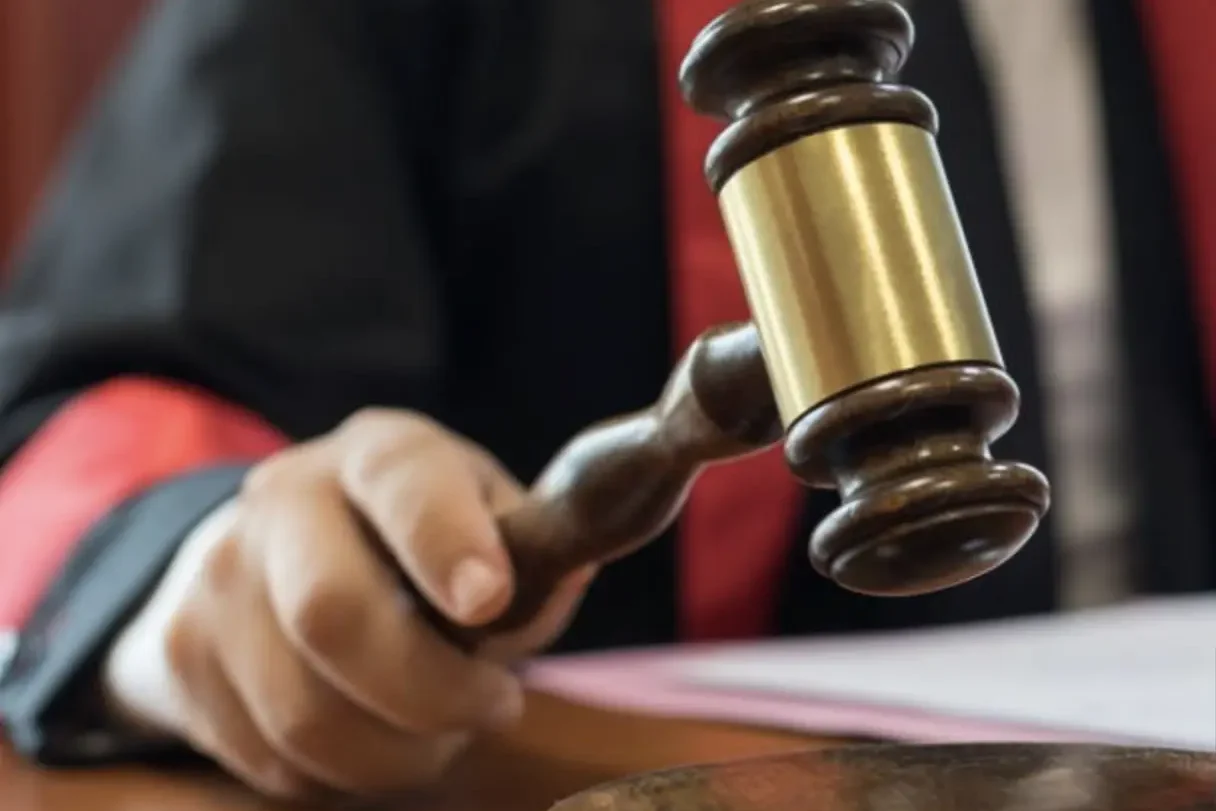
A judge’s gavel blocking a path to a jury box, symbolizing how judges act as gatekeepers to evidence.
Judges often block “alternative perpetrator” evidence, claiming it is speculative, to prevent it from ever reaching the jury.
The Legal Hammer: The “Nexus” Requirement
You cannot simply stand up in court and suggest someone else might have done it. The Texas Court of Criminal Appeals has set a high bar. Based on precedent like Wiley v. State, and as reinforced in Garza, the law requires the defense to establish a “nexus”—a direct, logical connection—between the alternative perpetrator and the specific crime charged.
The evidence must do more than show the other person had the opportunity or a bad character. It must tangibly link them to the actual event in question. Without this nexus, the judge will label your evidence “meager and speculative,” the exact words used to shut down the defense in Garza, and exclude it entirely. The jury will never hear it.
How Garza v. State Shows the System Stacked Against You
In the Garza case, the defendant tried to point the finger at “Neil,” the victim’s step-grandfather and a registered sex offender. Garza’s evidence was that Neil had unsupervised access to the victim at his own home two months prior to the alleged assault at Garza’s home.
The court shut this down completely. Why?
- The Victim Knew the Attacker: The court noted the alternative perpetrator defense is “generally applicable to cases in which the complainant does not know the attacker.” Since the victim identified Garza (someone she knew), the court said the defense didn’t even apply. This is a Catch-22: if the victim names you, you’re often barred from suggesting it was someone else they also know.
- No “Nexus” to the Crime Scene: Critically, there was no evidence placing Neil at Garza’s house on the night of the alleged assault. The court ruled the connection was speculative. The prior access in a different location, two months earlier, was deemed irrelevant. The nexus wasn’t just weak; it was ruled non-existent.
The takeaway is devastating: even pointing to a convicted sex offender with prior access to the victim was not enough. The system demanded a direct link to the specific time and place of the charged offense—a bar that is often impossible to meet without the very investigation the state controls.
Why Your Choice of Attorney is a Life-or-Death Decision
This is not a field for beginners or “plea bargain lawyers.” Do not hire an attorney who has not tried hundreds of jury trials related to child sex cases. If they haven’t, they are probably unaware of the intricate “alleged perpetrator” rules and the sheer force required to overcome judicial resistance.
A veteran trial lawyer knows that this fight doesn’t start at trial. It starts during the investigation and in pre-trial hearings. We must:
- Investigate Aggressively: Find the nexus. This means hiring private investigators, subpoenaing records, and leaving no stone unturned to build the link the law demands.
- Frame the Argument Correctly: Present the evidence to the judge in the precise legal language that meets the Wiley and Garza standards, anticipating and countering the prosecution’s “speculation” objection before they even make it.
- Be Prepared to Fight at Every Hearing: We file meticulous motions, force evidentiary hearings, and create a record that shows the judge exactly why excluding this evidence violates your constitutional right to present a defense.
Overcoming the Judicial Gatekeeper
The path to getting this evidence before a jury is narrow, but it exists. Success requires proving:
- Motive + Opportunity + Proximity: The alternative perpetrator had a reason, the chance, and was physically near the scene at the relevant time.
- Factual Specificity, Not Speculation: Evidence must be concrete—phone records placing them nearby, witnesses who saw them, prior incidents with the same victim—not just character assassination.
- Direct Connection to the Charged Act: The evidence must relate to this assault, on this date, in this location, not just to the person’s general bad acts.
Facing an Accusation? Your Next Move is Critical
An allegation of a child sex crime is a legal emergency. The state is already building a wall between you and a fair defense. Your first call must be to a firm that knows how to break through that wall.
At Starr Law, P.C., this is not theory; it is our daily practice. With over 28 years of experience and a history of trying hundreds of jury trials in the most complex sex crime cases, we understand the “alleged perpetrator” rulebook because we have written chapters in it through hard-fought victories. We know how to find the nexus, argue it persuasively, and force the court to allow a full defense.
We do not accept a judge’s initial “no” as the final answer. We fight because we know what’s at stake: your freedom, your name, and your future.
If you are under investigation or have been charged, the strategy for your defense must begin this moment. Contact Starr Law, P.C. immediately. Call us at 214-982-1408.
References
- Garza v. State, 2018 Tex. App. LEXIS 7576 (Tex. App.—Texarkana 2018, pet. ref’d).
- Wiley v. State, 74 S.W.3d 399 (Tex. Crim. App. 2002).
- Ex parte Huddlestun, 505 S.W.3d 646 (Tex. App.—Texarkana 2016, pet. ref’d).